- Morning- 10am to 2PM & Evening 4PM to 7PM
- Call Us: 9450243502 , 9810863483
- 0535rp@gmail.com

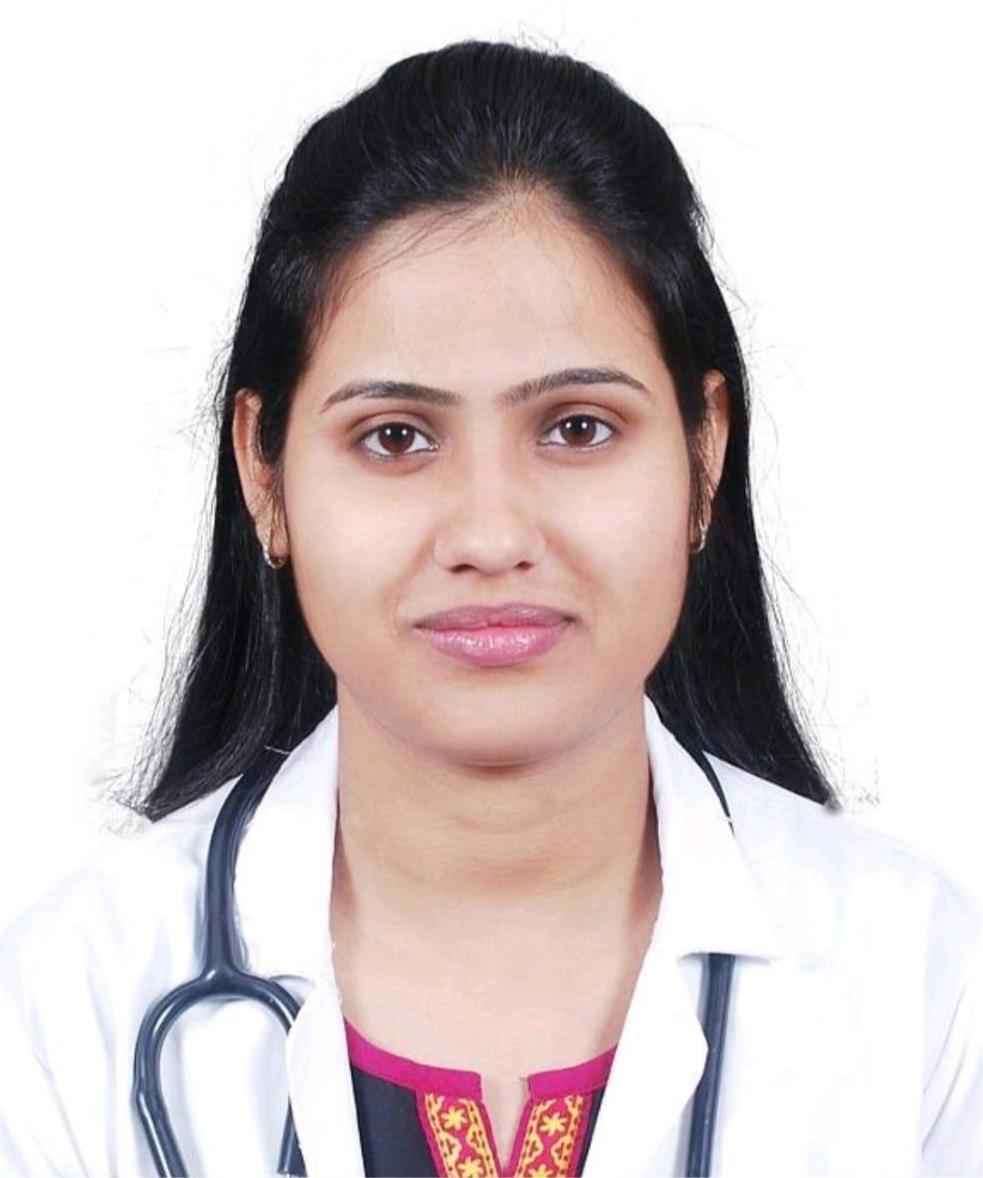
Compassionate surgeon with knowledge in treating obstetrics and gynaecological conditions. Highly communicative and positive professional fluent in English, Hindi and Marathi. Caring approach to patients and persistent in finding best treatment options available.

Advanced laparoscopic gynaecological surgeries, management of high risk pregnancies, management of infertility and fetal medicine.
From July 2022 to July 2023 – Senior Resident at Department of Obstetrics and Gynaecology at Mahatma Gandhi Institute of Medical Sciences, Sevagram, Wardha, Maharashtra India.
Performed and Assisted – Vaginal and instrumental deliveries, management eclampsia, shock, acute renal failure and post partum hemoprrhage etc. Performed dilatation and curettage, dilation and evacuation, cervical biopsies, IUI, semen preparation, Colposcopic cervical biopsies and cytology, endometrial aspiration, cytology, antenatral and gynaecological examination and other outpatient procedures. Performed caeserean sections and abdominal as well as vaginal hysterectomies independently.
Assisted Werthiems hysterectomies, laparoscopic hysterectomies and cytoreductive surgeries.
Participated in breast feeding program, prevention of parent to child transmission programm (PPTCT), monthly perinatal and maternal mortality meeting and community health camps.
Provide services in Melghat tribal area hospital under KHS posting for a period of 2 months
From 2010 – 2016 (MBBS + Internship) at Mahatma Gandhi Institute of Medical Sciences, Sevagram Wardha Maharashtra India
You may be referred to a gynecological surgeon if you have been diagnosed with conditions that might require surgical intervention, such as fibroids, ovarian cysts, endometriosis, or certain reproductive system cancers. Consult your gynecologist for guidance on whether surgery is necessary.
Yes, your surgeon may require tests like blood work, imaging (e.g., ultrasound or MRI), and possibly a pre-surgery physical exam to ensure you are fit for the procedure.
Your surgeon will provide detailed pre-operative instructions. Generally, this includes fasting for a certain period, arranging transportation home, and stopping certain medications as directed. If you have any specific questions, reach out to your surgeon’s office.
Depending on the procedure, you may receive general anesthesia, spinal or epidural anesthesia, or local anesthesia with sedation. Your surgeon and anesthesiologist will discuss the best option for you based on your procedure and health condition.
Recovery times vary depending on the type of surgery. Minimally invasive procedures typically have shorter recovery times (1-2 weeks), while open surgeries may require 4-6 weeks. Your surgeon will provide a detailed recovery plan.
Some discomfort and pain are normal after surgery, and your surgeon will prescribe pain management medication to help you through the recovery. Contact your surgeon if the pain is severe or prolonged.
Yes, restrictions usually include avoiding heavy lifting, strenuous activities, and sometimes certain dietary restrictions. Sexual activity may need to be avoided for a period as well. Your surgeon will give you specific instructions based on your procedure.
Some surgeries, like myomectomy, may preserve fertility, while others, like hysterectomy, result in the inability to conceive. Your surgeon will discuss how each procedure may impact your fertility and explore alternatives if needed.
You can schedule a consultation by calling our office directly or by submitting a request through our website. Our staff will help arrange a convenient time for your visit.
If you experience any unusual symptoms, increased pain, fever, or signs of infection, contact our office immediately. For non-urgent questions, our staff is available during business hours to assist with follow-up care.

At Surya Gastro and Obs-Gynae Clinic, we prioritize your health and well-being with comprehensive care in Gastrosurgery and Obstetrics-Gynecology. Our expert team is dedicated to providing personalized, evidence-based treatments in a compassionate environment.
Copyright © 2024 Surya Gastro and Obs-Gynae Clinic