
Gut Health and Its Impact on Your Overall Well-being
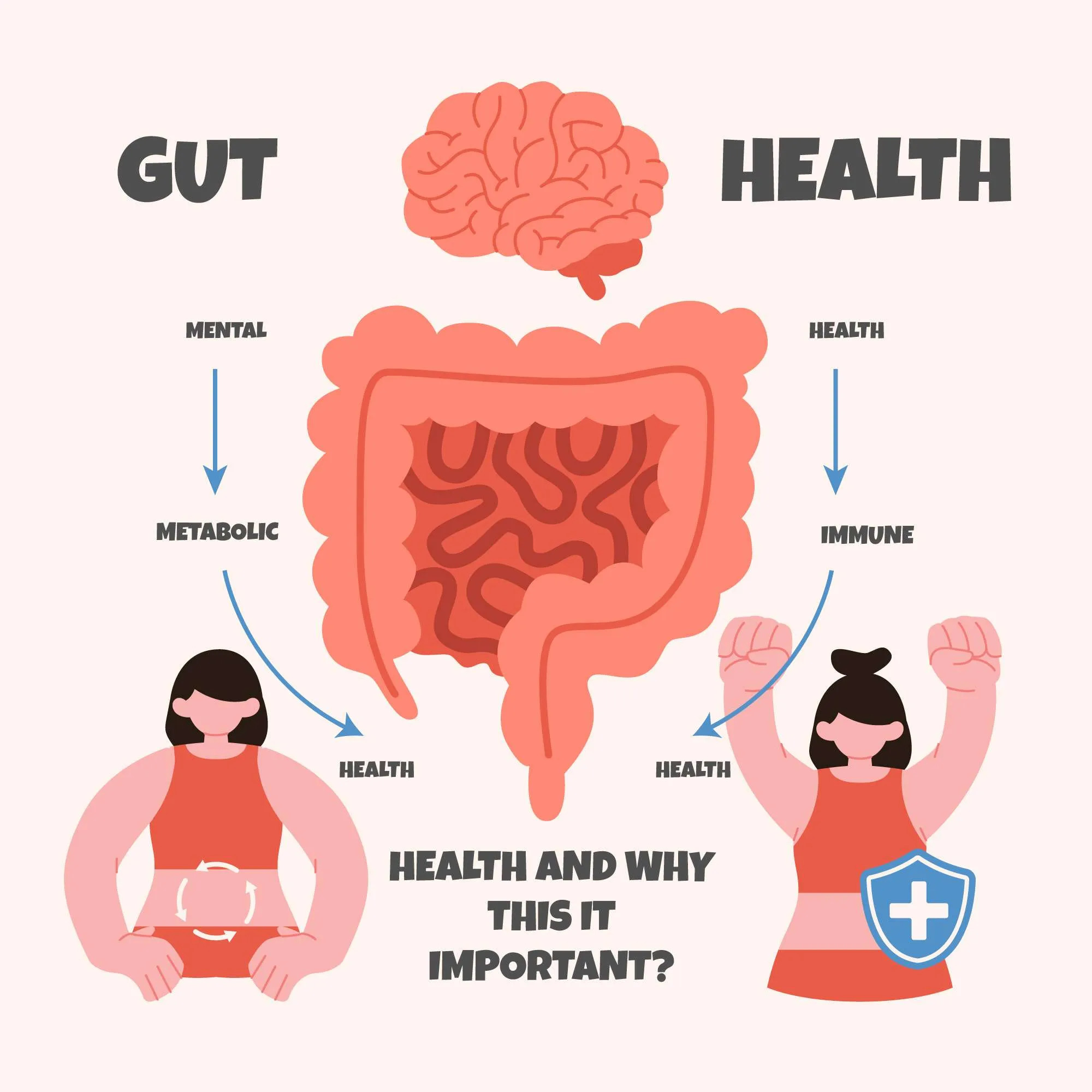
Gut health plays a crucial role in maintaining not only digestive function but also overall well-being. Often referred to as the “second brain,” the gut communicates with nearly every system in your body, from the immune system to the brain, making it essential to care for your digestive health to achieve optimal wellness.
Understanding the Gut Microbiome
At the center of gut health is the gut microbiome, a complex community of trillions of microorganisms—bacteria, fungi, and viruses—living in the digestive tract. While some of these microorganisms are harmful, many are beneficial, playing a key role in digestion, immune response, and even mental health. A balanced microbiome aids in breaking down food, producing vitamins, and fighting off infections. When this balance is disrupted, it can lead to digestive issues and affect other aspects of health.
The Gut-Brain Connection
The gut is closely linked to the brain through the gut-brain axis, a two-way communication system involving nerves, hormones, and neurotransmitters. The gut produces about 90% of the body’s serotonin, a neurotransmitter that influences mood, sleep, and appetite. Poor gut health can therefore contribute to anxiety, depression, and other mood disorders. Conversely, stress and mental health issues can negatively affect the gut, leading to digestive problems like irritable bowel syndrome (IBS).
Gut Health and the Immune System
Around 70% of the body’s immune system resides in the gut, making it a critical component of immune defense. A healthy gut microbiome promotes a balanced immune response, helping to protect against infections and chronic inflammation. On the other hand, an imbalance in gut bacteria (known as dysbiosis) can lead to weakened immunity and increase the risk of autoimmune diseases, allergies, and infections.
The Impact of Poor Gut Health
When the gut is unhealthy, it can manifest in a wide range of symptoms and conditions, including:
- Digestive issues such as bloating, constipation, diarrhea, or acid reflux.
- Chronic inflammation, which has been linked to conditions like arthritis, heart disease, and even cancer.
- Nutrient deficiencies due to poor absorption of vitamins and minerals, which can lead to fatigue, skin issues, and weakened bones.
- Weight gain or difficulty losing weight, as an imbalanced microbiome can affect metabolism and appetite control.
How to Improve Gut Health
- Eat a Fiber-Rich Diet
Fiber feeds the good bacteria in your gut. Incorporating fruits, vegetables, whole grains, and legumes helps promote a healthy microbiome. - Incorporate Probiotics and Prebiotics
Probiotics are beneficial bacteria found in fermented foods like yogurt, kefir, and sauerkraut. Prebiotics, found in foods like garlic, onions, and bananas, help feed these good bacteria. - Stay Hydrated
Water aids in digestion and supports the lining of the intestines, keeping your gut functioning smoothly. - Manage Stress
Since stress can negatively impact gut health, practicing stress-reducing activities like meditation, exercise, or deep breathing can help maintain a healthy gut. - Get Regular Exercise
Physical activity can stimulate the growth of beneficial gut bacteria, contributing to overall health. - Limit Processed Foods and Sugar
Highly processed foods and sugary snacks can encourage the growth of harmful bacteria in the gut, leading to dysbiosis.
When to See a Gastroenterologist
If you’re experiencing chronic digestive issues, fatigue, or unexplained changes in your overall health, it may be time to consult a gastroenterologist. Addressing gut health early can prevent more serious health problems and improve your quality of life.
Conclusion
Gut health is far more than just about digestion. It impacts nearly every aspect of your well-being, from mental health to immune function. By adopting a gut-friendly lifestyle, you can support not only a healthier digestive system but also a happier, more balanced body and mind. Remember, taking care of your gut is a step toward taking care of your entire self.